
About NeuroMind
We support unique minds with genuine care.
At NeuroMind, we are rooted in neurodiversity-affirming values, and our care team empowers you to thrive authentically.

OUR STORY
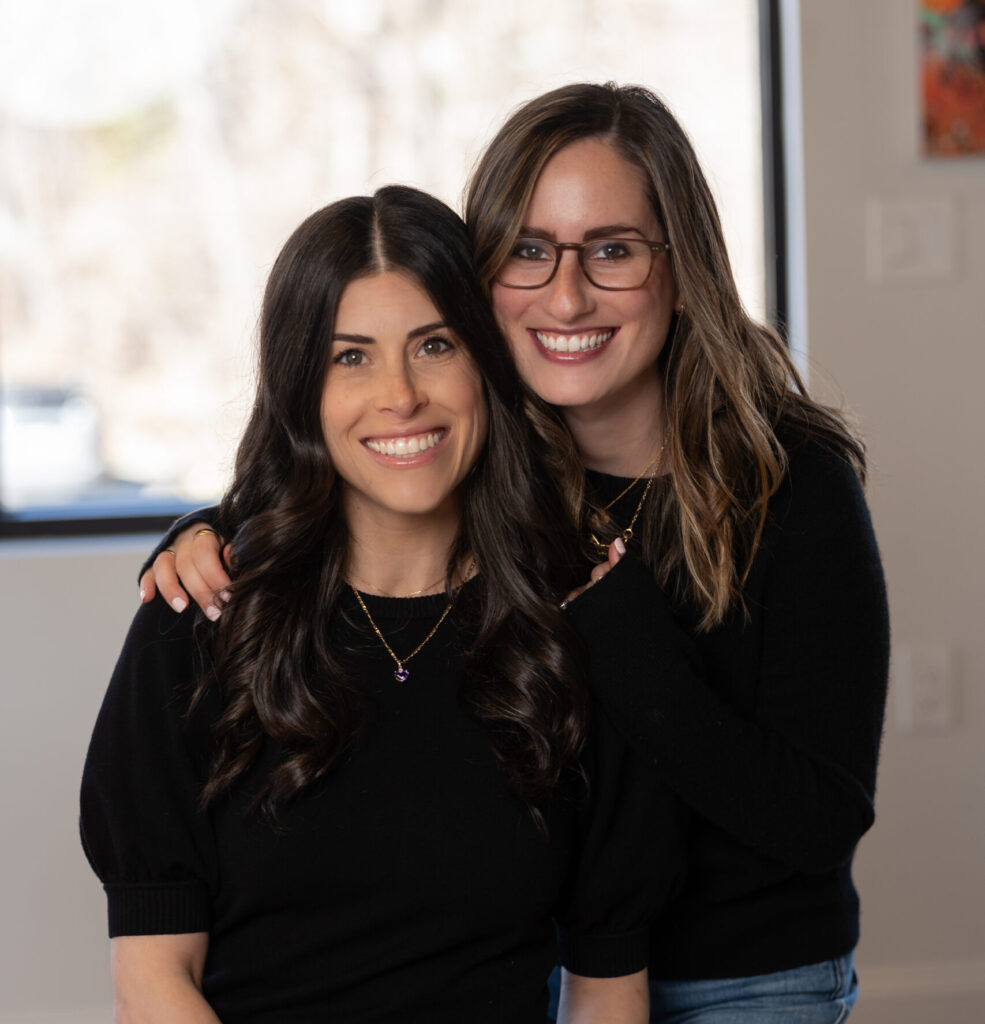
Chelsea Elkind and Lauren Rosenblum, Co-Founders

NeuroMind was founded by Lauren and Chelsea, two clinicians, colleagues, and friends with a shared passion for supporting neurodivergent individuals in a more affirming, inclusive way.
With backgrounds in speech-language pathology and occupational therapy, they saw a need for services that go beyond the traditional medical model: Support that embraces neurodiversity, prioritizes autonomy, and builds real-world skills and confidence.
What began as conversations between sessions grew into a vision: A collaborative space where clinical coaching, community, and education intersect.
Today, NeuroMind is a hub for neurodivergent individuals and their families to access coaching, counseling, support groups, workshops, and resources that truly honor their lived experiences.
Ready to chat with us about next steps?
Book A Free ConsultationWhy the name NeuroMind?
The name NeuroMind reflects our core belief:
Every mind deserves to be understood, respected, and supported.
“Neuro” acknowledges the wide spectrum of neurotypes we work with, while “Mind” speaks to both the inner experience of each person and our mindful, strengths-based approach. Together, the name captures our mission to provide thoughtful, personalized support that honors the unique wiring of every individual.
Neurotypes We Support
Whoever you are and however your brain works, we’re so glad you’re here.
Whether you’re diagnosed, self-identified, neurotypical, or simply curious, NeuroMind is here to support you in feeling more you, not more “normal.” Below are some common neurotypes, offered as gentle starting points, not definitions.
Autism
(ASD)
Autism is a natural variation in how the brain processes information, regulates emotion and energy, experiences the world, and connects with others.
It exists on a diverse spectrum, with each autistic person bringing unique perspectives, strengths, and challenges.
Attention Deficit Hyperactivity Disorder
(ADHD)
ADHD is a neurodevelopmental difference that affects attention, impulse control, and energy regulation, but it doesn’t look the same for everyone.
It’s not a matter of being “too much” or “not enough,” but rather having a brain that operates differently in a world built on neurotypical norms.
Twice-Exceptional
(2e)
Twice-exceptional (2e) individuals are both gifted and neurodivergent; they have advanced intellectual or creative abilities and diagnoses like autism, ADHD, OCD, or dyslexia. Their strengths can mask their struggles, and their challenges can obscure their talents, leading to a uniquely complex experience.
Learning Disabilities
Learning disabilities are brain-based differences in how people process language, numbers, instructions, or sequences. They’re not a sign of low intelligence; in fact, they often coexist with incredible strengths in creativity, empathy, and big-picture thinking.
Sensory & Auditory Processing Differences
Terms like Sensory Processing Disorder (SPD) or Auditory Processing Disorder (APD) are sometimes used to describe differences in how the brain interprets sensory input. Whether or not you’ve received a diagnosis, your experiences are valid and deserve support.
Nonverbal Learning Disability
(NVLD)
Nonverbal Learning Disability (NVLD) affects how the brain processes spatial, social, and nonverbal information, but it doesn’t mean you’re not smart or capable. If you’ve ever felt like you “missed something” socially, visually, or in everyday life, you’re not alone, and there’s a reason why.
Speech Disorders
A speech disorder affects how a person produces or coordinates sounds, which can make speaking feel effortful, inconsistent, or different from others. Speech differences can be developmental, acquired, or related to other neurodivergent experiences like autism or ADHD. No matter how your speech develops or sounds, your communication is real, valid, and meaningful.
Neurotypical
Neurotypical refers to having brain development and functioning that align with societal norms, but it doesn’t mean you’re free from challenges like executive functioning, emotional regulation, or social struggles.
Ready to chat with us about next steps?
Book A Free ConsultationSupport that works with your brain, not against it
We take a neurodivergent-affirming, real-world approach that helps you build skills, confidence, and connection without the pressure to mask or fit into a one-size-fits-all model.
Focus on fixing
Centered on correcting behavior or making someone appear more typical.
One-size-fits-all tools
Generic strategies that don’t reflect how someone actually functions.
Pressure to mask
Success tied to compliance or blending in rather than authenticity.
Abstract support
Skills that don’t always translate into real daily life.
Work with your brain
Support built around strengths, needs, and sustainability.
Real-life systems
Strategies that actually work in daily routines and environments.
Connection over compliance
Reducing shame and building trust, confidence, and authenticity.
Practical, lasting change
Support that carries into relationships, independence, and everyday life.
Ready to get started?
Schedule a free consultation and we’ll help you find the right support.
Schedule a Free Consultation